
Here you can find an overview of our products in the ‘Color Splash’ category.
Premium sponges are first-quality horse sponges from the Mediterranean, with a particularly beautiful shape, tall growth, and uniform pores. Medium sponges are either horse sponges from the Mediterranean or wool sponges from Florida. Medium sponges are comparable in quality to premium sponges but grow less uniformly and have larger pores. The more affordable silk sponges, which also grow in great depths in the Mediterranean, are especially suitable for baby and facial care.
Grass sponges from the Caribbean are lower in durability and quality compared to Mediterranean sponges. Because they grow quickly in warm, shallow waters, grass sponges are less robust but significantly more affordable.
Our tip: Caribbean sponges also make beautiful bathroom decorations and bring a holiday feeling!
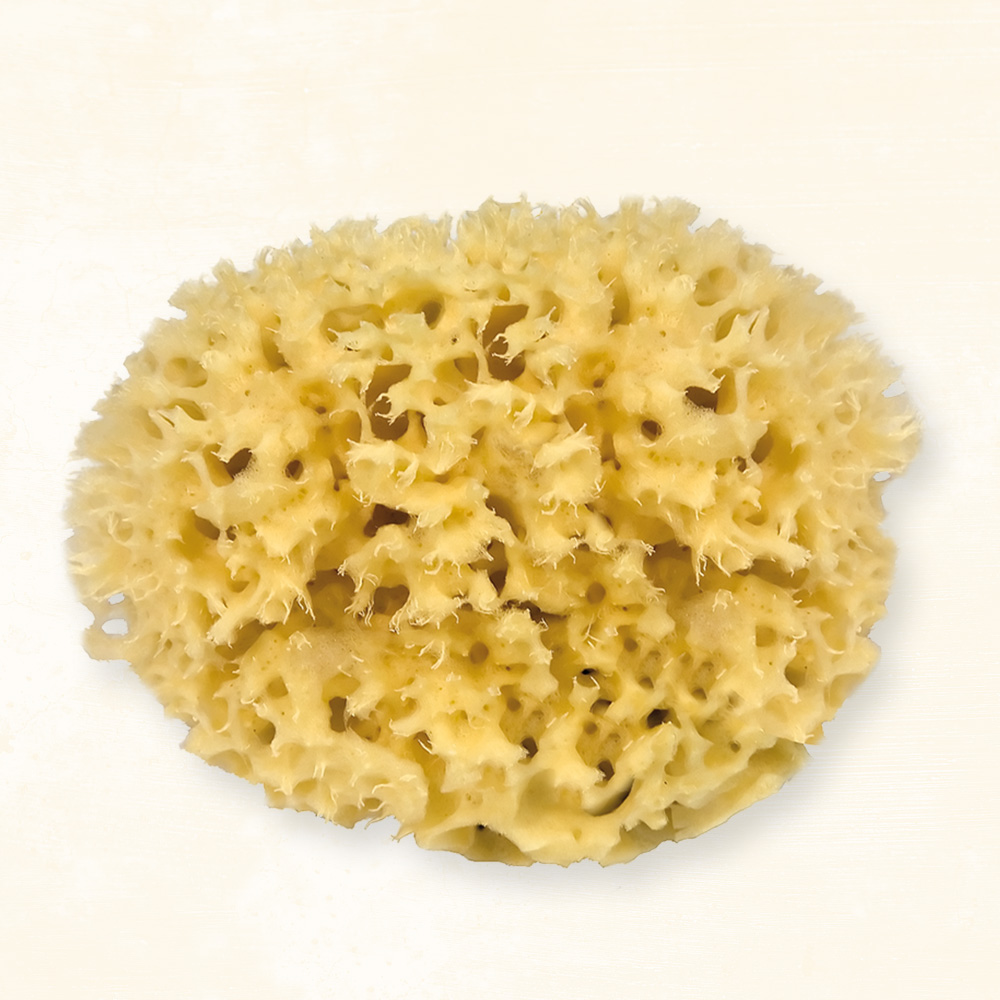
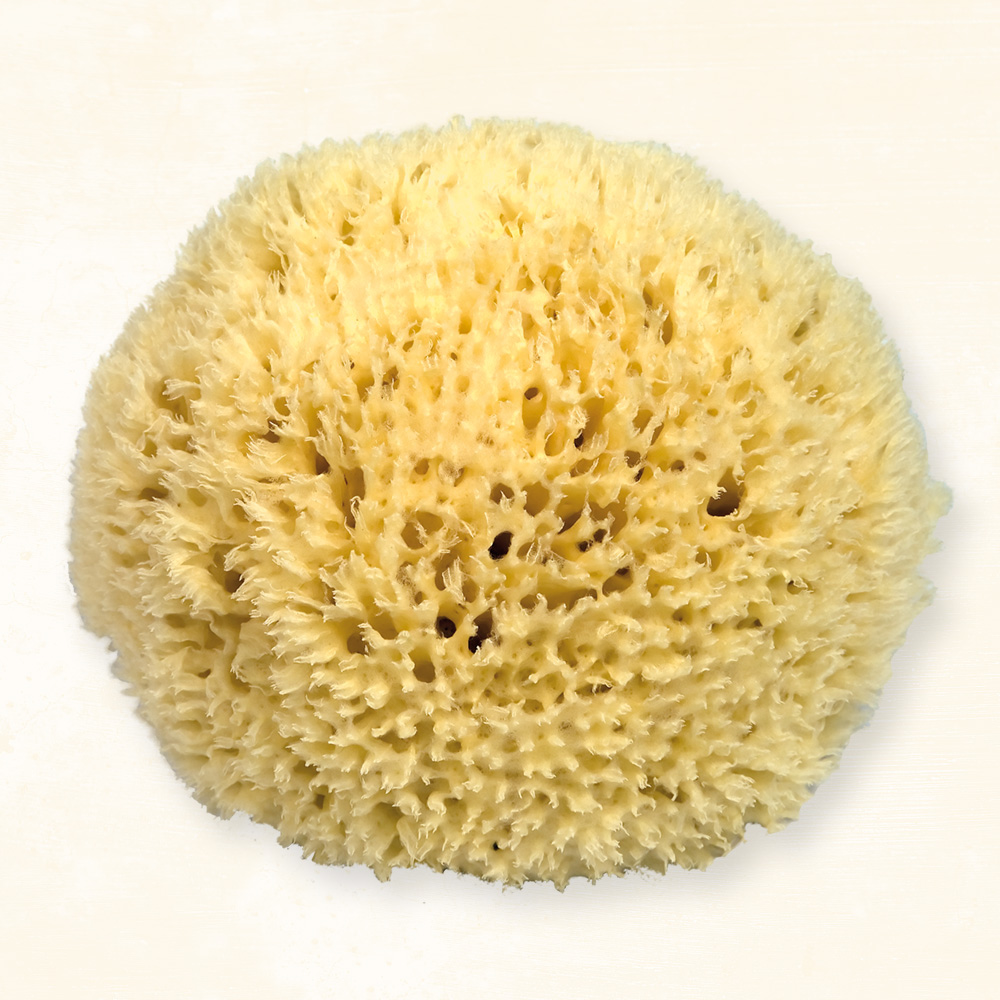
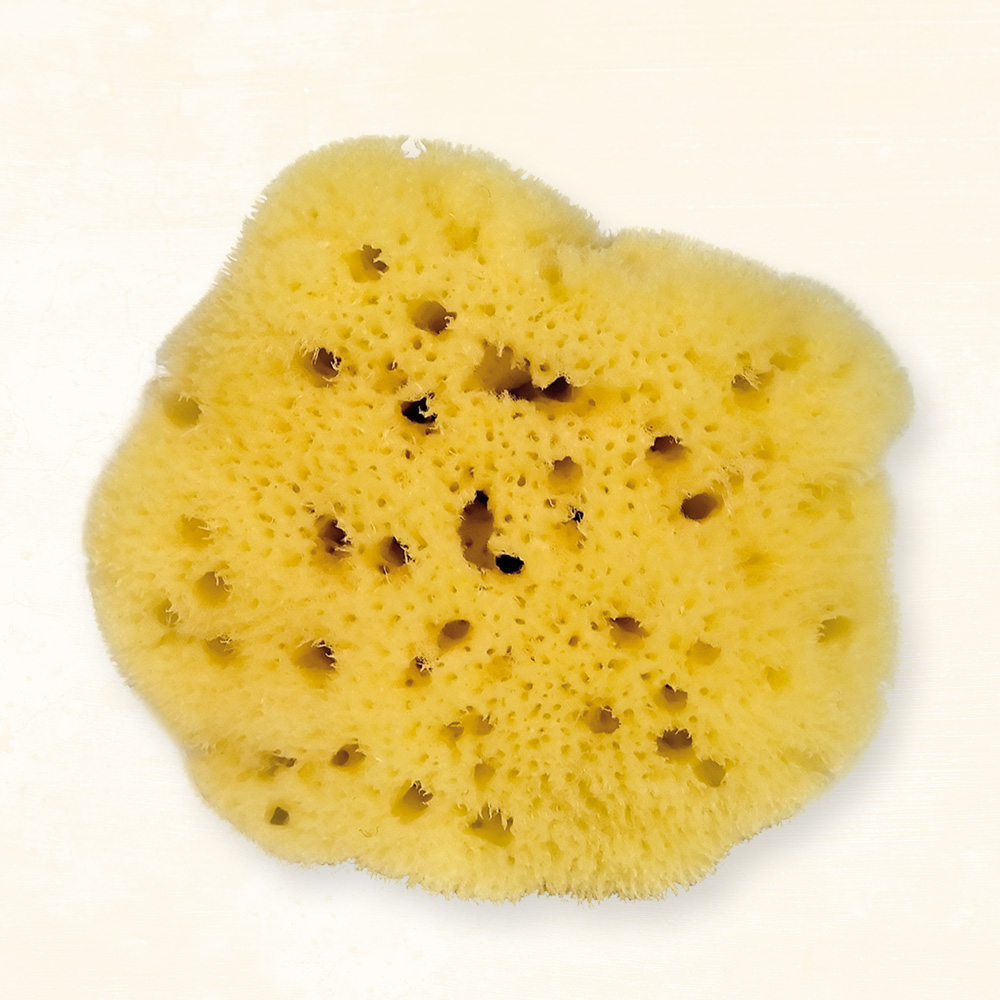
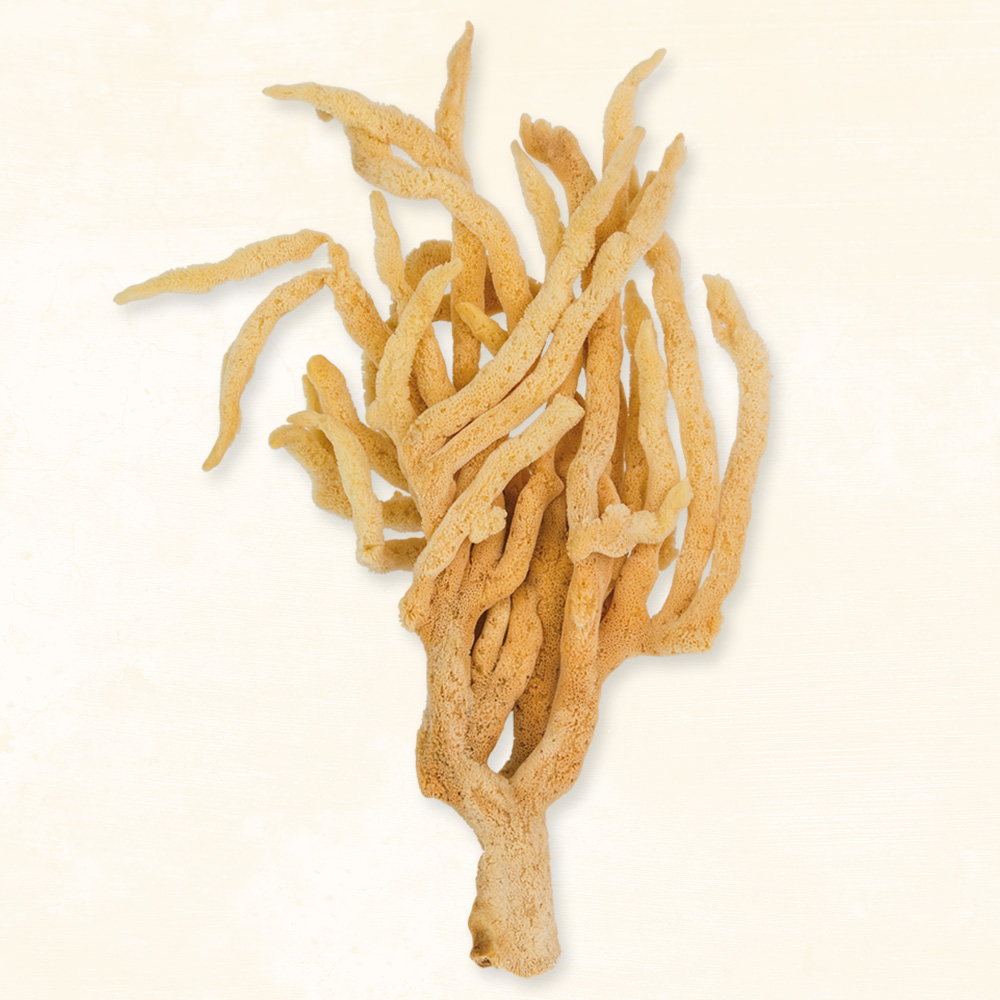
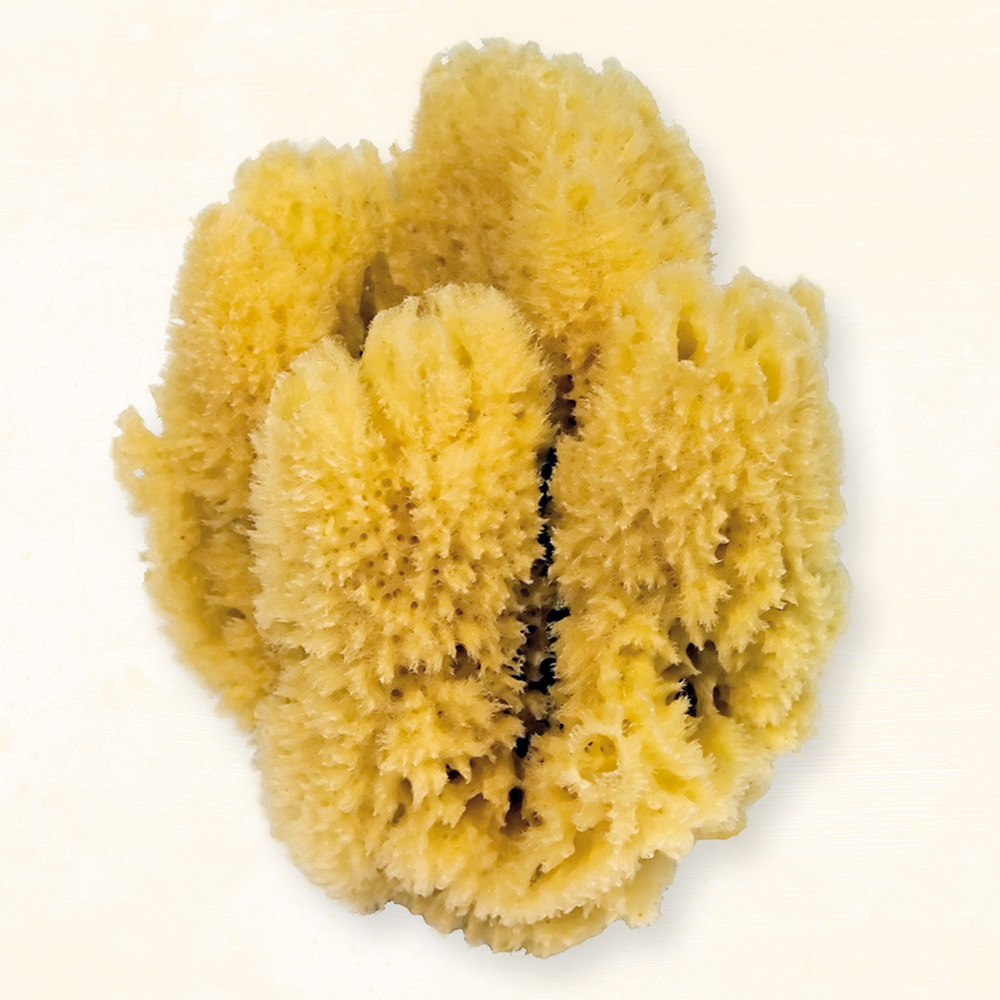
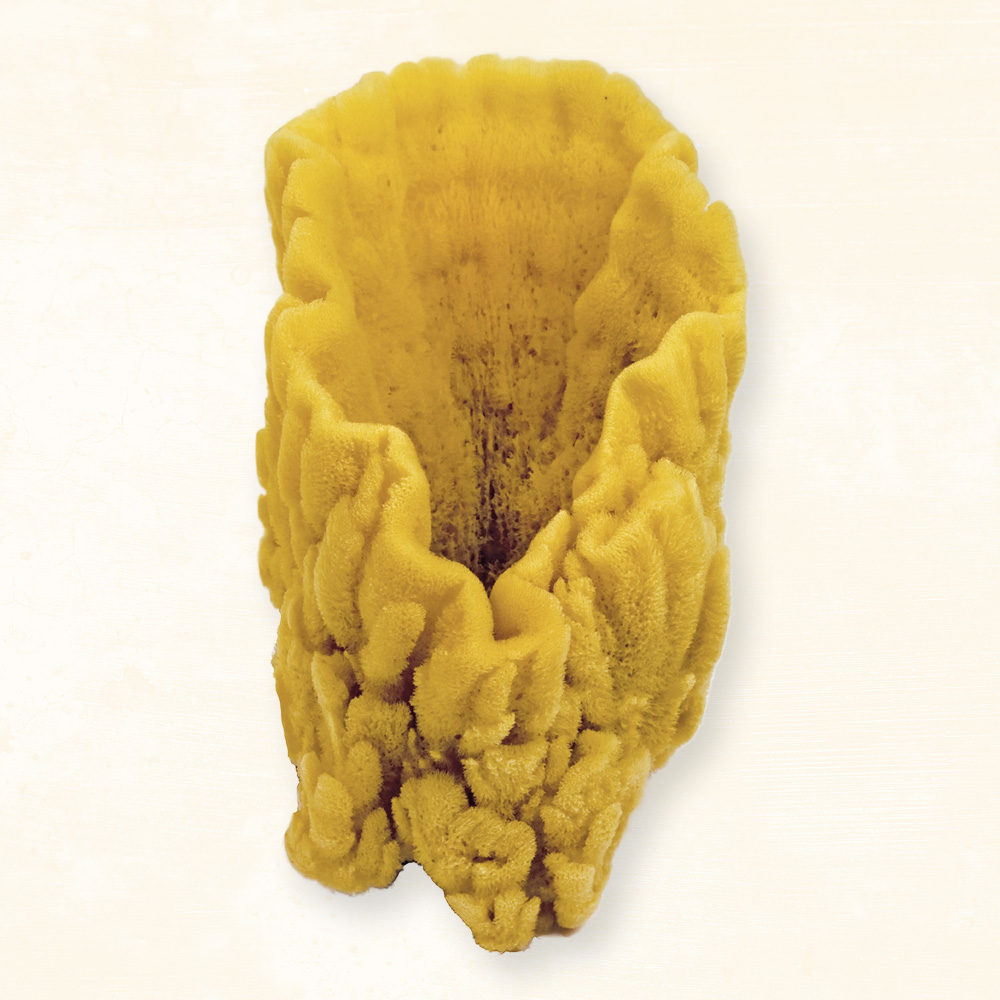
The natural sponge (Hippospongia equina) is a simple life form found in all the world’s oceans, from the Caribbean to the polar seas. In the water, it functions as a natural filter, pumping water through its body to feed on plankton and other small particles. There are over 7,500 species of natural sponges, ranging from a few millimeters to more than three meters tall. Depending on water temperature, depth, and currents, natural sponges require between half a year and five years to grow.
Natural sponges are wonderfully soft, absorb large amounts of water, and release it with gentle pressure. Bathing with a natural sponge is a sensual and luxurious experience. The fibers of natural sponges are very similar to silk. Historical records show that natural sponges were already used for body care in ancient times.
Unlike synthetic sponges, which contain closed air pockets, natural sponges have an open canal system where every pore is connected to another. Dirt is easily rinsed out. Natural sponges are therefore extremely hygienic and recommended for allergy sufferers and people with sensitive skin.
After use, a natural sponge should be rinsed with clean, lukewarm water and hung on a cord to dry. It must not be exposed to boiling water, as it is a pure natural fiber. If the sponge becomes heavily soiled, it can be washed in a laundry bag using the wool cycle.
For natural sponges, the origin determines the quality. Caribbean sponges are lower in quality because they grow in warm, shallow waters—their fibers are brittle and tear easily. Mediterranean sponges grow more slowly in cooler, deeper waters, resulting in much stronger, more elastic fibers and significantly longer durability. Therefore, when purchasing, make sure your natural sponge comes from the Mediterranean.
The environmentally responsible harvesting of Mediterranean sponges is monitored by the Greek Ministry of Fisheries and may only take place twice a year. During harvesting, millions of seeds are released into the surrounding water, allowing new sponges to grow. This makes natural sponges an exceptionally sustainable and entirely natural product.
Sie sind Händler und möchten Zugang zu unserem exklusiven Händlerbereich? Bitte melden Sie sich über das B2B-Portal an – nur für gewerbliche Partner.
Sie sind eine Privatperson? Bitte schließen Sie dieses Fenster und entdecken Sie die Vielfalt in unserem neuen Onlineshop für Verbraucher.